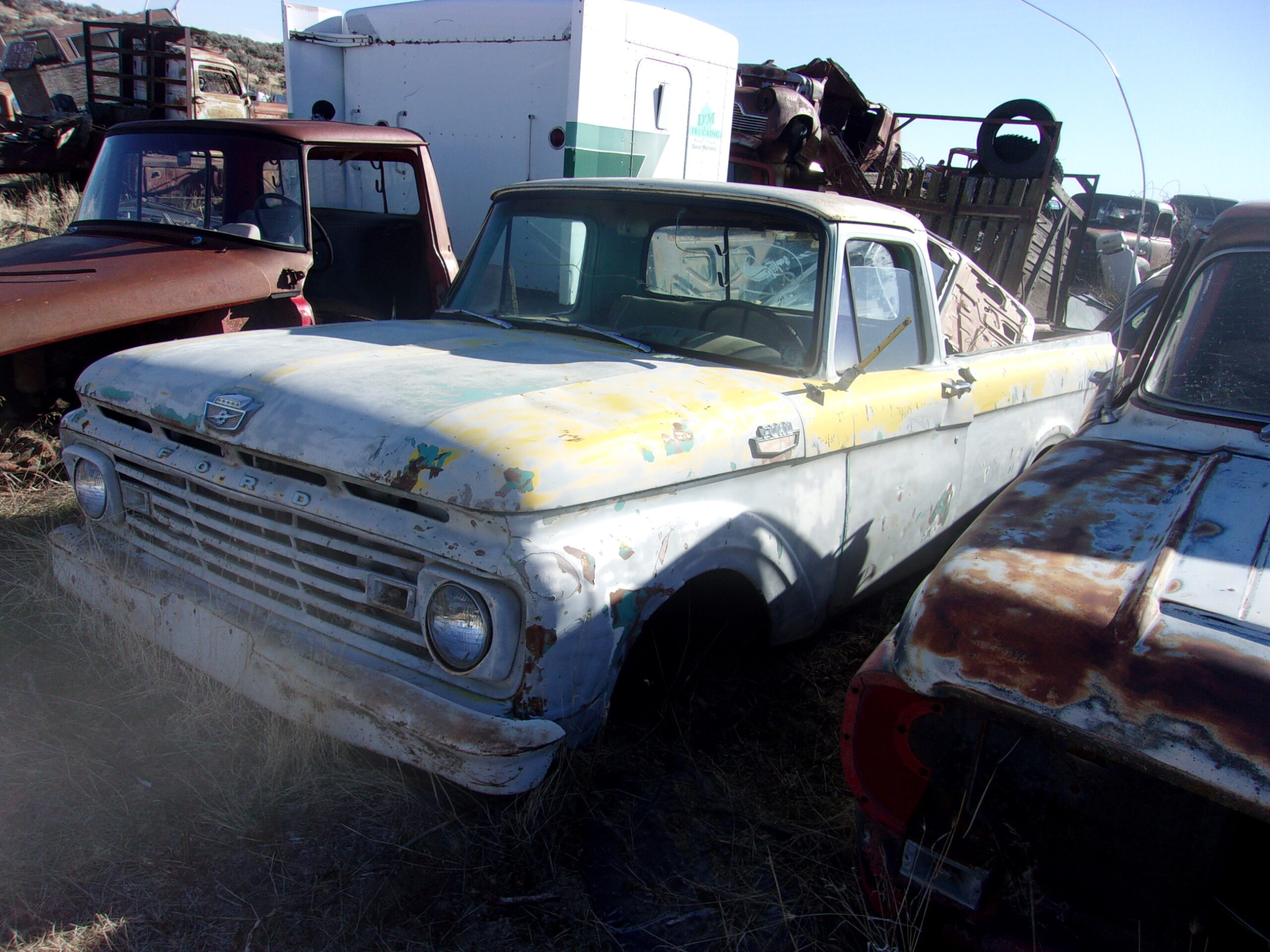
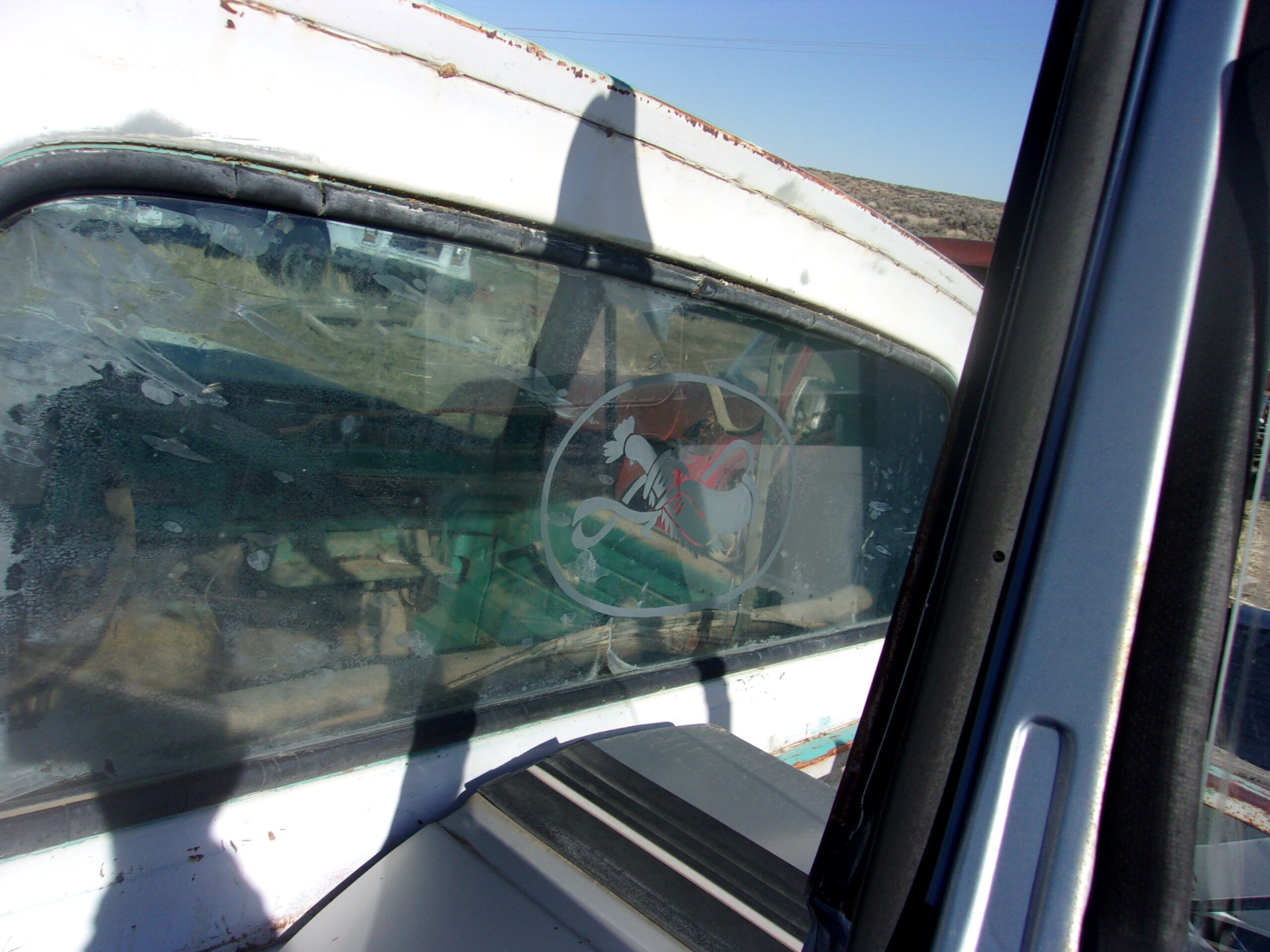
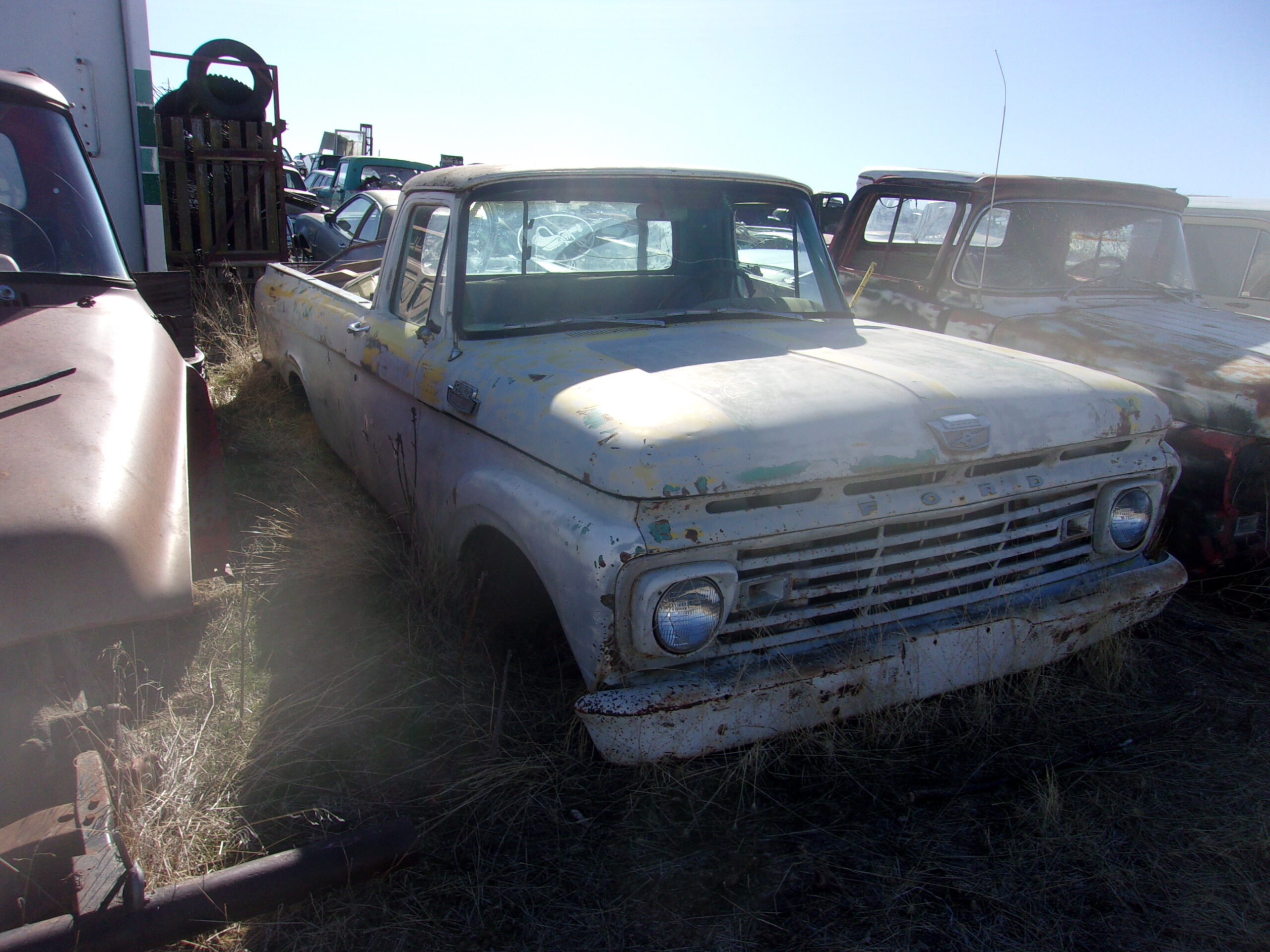
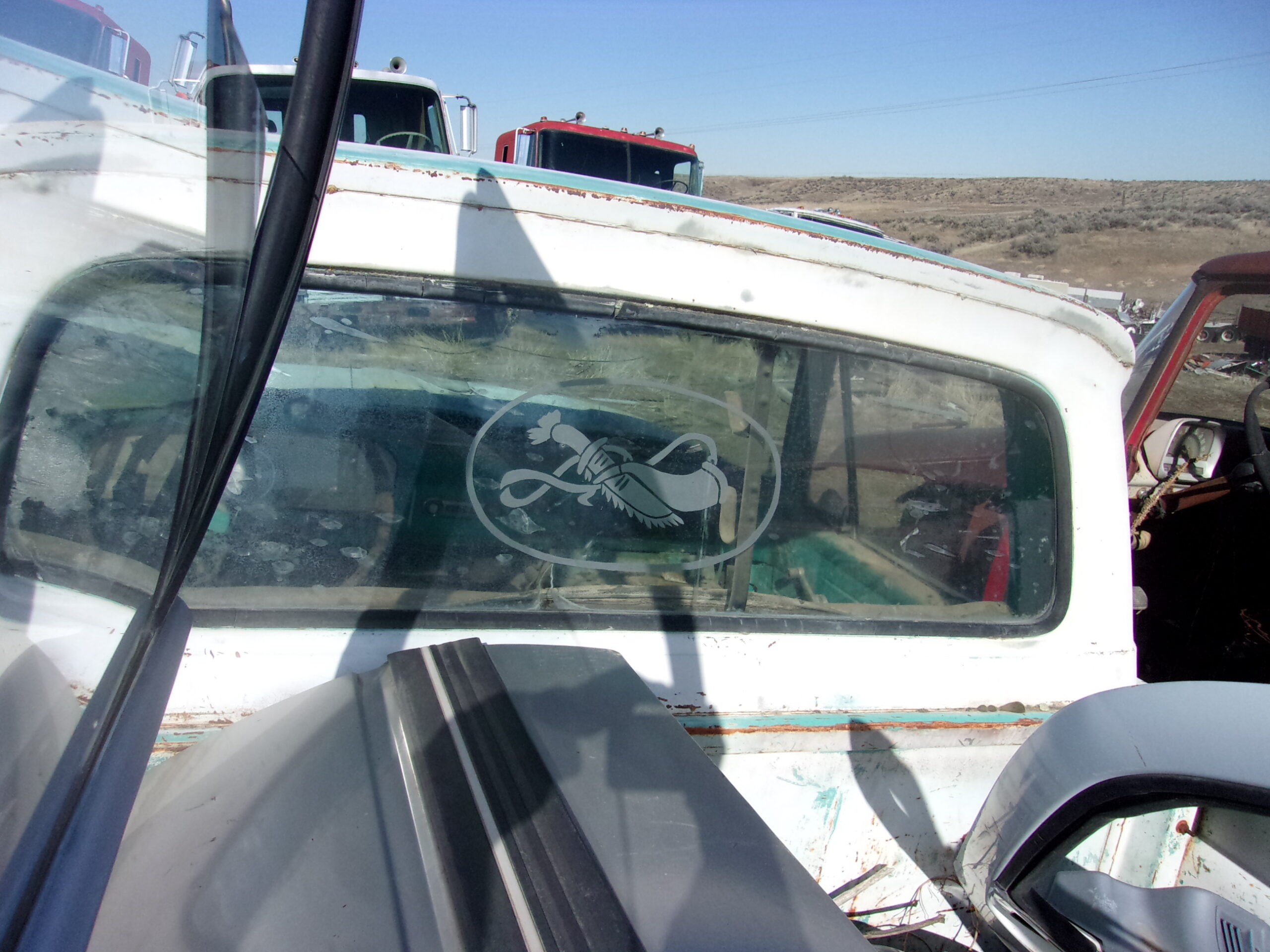
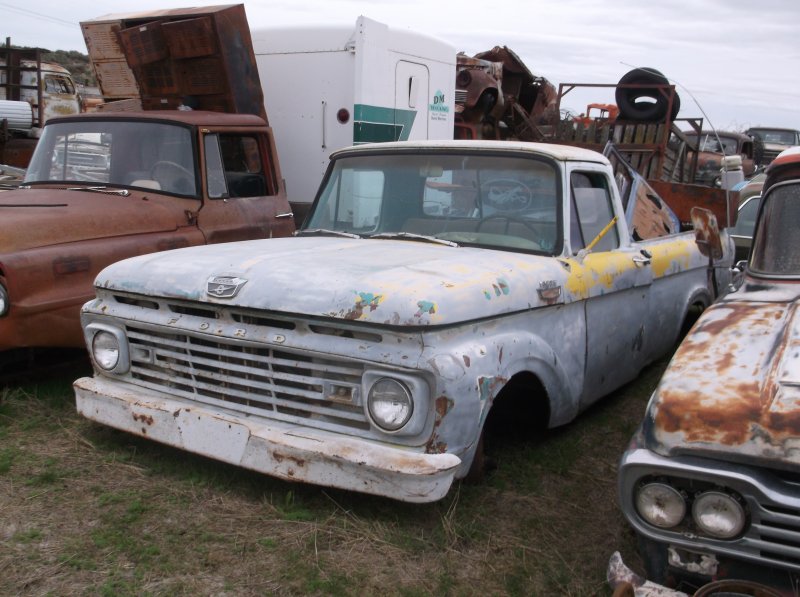
Starting fresh with the '63 Unibody! The 1961–1963 Ford "Integrated Styleside" (which the classic truck community universally calls the "Unibody") is one of the most unique and historically significant trucks Ford ever produced.
Specifying that it is a long bed (8-foot), 2-Wheel Drive, and an F-100 (1/2-ton) brings up some very specific specs—and a few infamous quirks—from that era. Here is the breakdown of what makes this specific truck so fascinating.
From 1961 to 1963, Ford decided to completely eliminate the gap between the cab and the truck bed.
The Design: The cab and the bed were stamped and welded as a single continuous piece of sheet metal.
The Goal: Ford did this to increase cargo space (by widening the bed), reduce manufacturing costs, and give the truck a cleaner, more car-like appearance.
The Reality: 1963 was the absolute final year for this design. Mid-way through '63, Ford completely pulled the plug on the Unibody and returned to the traditional separate bed-and-cab design.
As a 2WD half-ton F-100, your truck was built to be a standard light-duty workhorse.
Standard Engine: The base engine was the "Mileage Maker" 223 cubic-inch Inline-6, producing around 135 horsepower.
Optional Engine: Buyers could upgrade to the 292 cubic-inch Y-Block V8, which pushed out about 160 horsepower. (1963 was the last year before Ford transitioned to the newer FE and thin-wall engine blocks).
Transmissions: The most common setup was a 3-speed manual (column shift/"three-on-the-tree"). A 4-speed floor-shift manual or a Cruise-O-Matic automatic were also options.
Axles: Because it is an F-100 2WD, the front end uses a rugged, solid I-beam drop axle with leaf springs. Out back, it utilizes the legendary Ford 9-inch rear axle (with a 5-on-5.5" wheel bolt pattern), which is practically bulletproof.
You mentioned this is a long bed (an 8-foot cargo box). You cannot talk about a long-bed Unibody without mentioning the legend of the twisting frames.
Because the body was one giant piece of steel, the truck lacked the flexibility of a traditional separate cab and bed. When farmers and contractors heavily overloaded these trucks—especially the longer 8-foot beds—or parked them on deeply uneven, rutted ground, the frame would flex.
The Problem: The body would twist with the frame, which frequently caused the doors to either pop open while driving or jam completely shut so the driver couldn't get out.
The Aftermath: While the 6.5-foot short beds survived this fairly well, the 8-foot long beds suffered the worst from the flex. This reputation for popping doors is exactly why Ford abandoned the design in 1963.
Today, these trucks are incredibly popular in the hot-rod and custom-build scenes because those smooth, uninterrupted body lines look fantastic when lowered.
Are you currently looking to buy one of these long-bed Unibodies, or do you already have one sitting in the shop waiting for a rebuild?
