When building a classic car, hot rod, or vintage truck project, nothing ties the build together faster than the right set of wheels. But if you’ve ever found a killer set of steelies or period-correct aluminum rims online only to realize they won’t bolt up to your hubs, you know the frustration of mismatched specs.
Understanding vintage wheel measurements isn’t just about counting lug nuts. You also need to verify bolt circle diameters, backspacing, and center-bore clearances.
Whether you’re shopping for original OEM rims at AutoFarmUSA or bidding on hard-to-find vintage cores through DEP Auction Group, here is everything you need to know about measuring and selecting vintage wheels.
A wheel bolt pattern consists of two numbers: the number of lug holes and the diameter of the imaginary circle they form (e.g., 5 x 4.5″ or 6 x 5.5″`).
Measuring even-numbered patterns vs. odd-numbered patterns requires a slightly different approach:
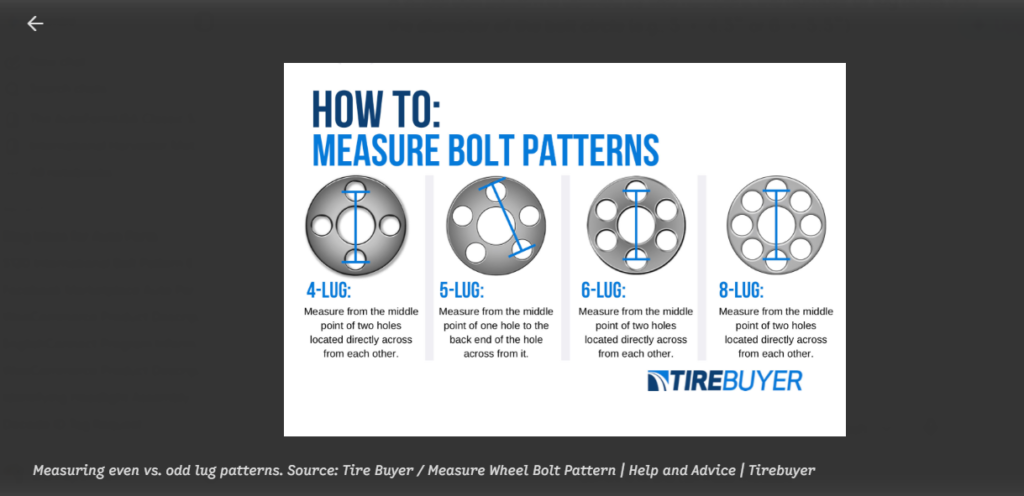
5-lug setups are standard across most classic passenger cars and light-duty trucks from the 1950s through the 1980s. However, manufacturer standards vary significantly:
Often called the “Ford/Mopar Small Pattern” (or 5×114.3mm in metric), this is one of the most versatile 5-lug layouts in automotive history.
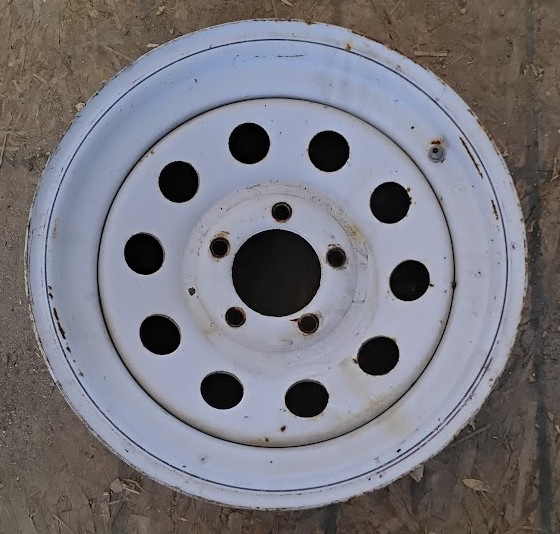
General Motors used this small bolt pattern across almost all classic mid-size and full-size rear-wheel-drive passenger cars.
Found on heavier GM platforms, full-size luxury cruisers, and 2WD trucks (like 1971–1998 Chevy C10s/C1500s).
When moving to 1/2-ton 4WD trucks, early 2WD classic pickups, and vintage utility vehicles, 6 x 5.5″ (6×139.7mm) reigns supreme.
## Classic 6-Lug Standards: 6×5.5″ vs. The Rare “Big 6” Pattern
When moving to 1/2-ton 4WD trucks, early 2WD classic pickups, and vintage utility vehicles, 6-lug configurations dominate—but the bolt circle measurements differ dramatically depending on the payload rating.
### 1. The Standard 6 x 5.5″ Pattern (1/2-Ton Trucks)
* **Chevy/GMC Square Body & Vintage Pickups:** Chevy and GMC used the 6×5.5″ (6×139.7mm) pattern on 1/2-ton 4WD trucks for decades (including 1973–1987 C/K models) and on early 2WD trucks prior to 1971.
* **International Harvester (1/2-Ton):** 1/2-ton IH pickups and Scout models also share this standard 6×5.5″ pattern.
### 2. The International “Big 6″ 6 x 7.25” Pattern (3/4-Ton IH Trucks)
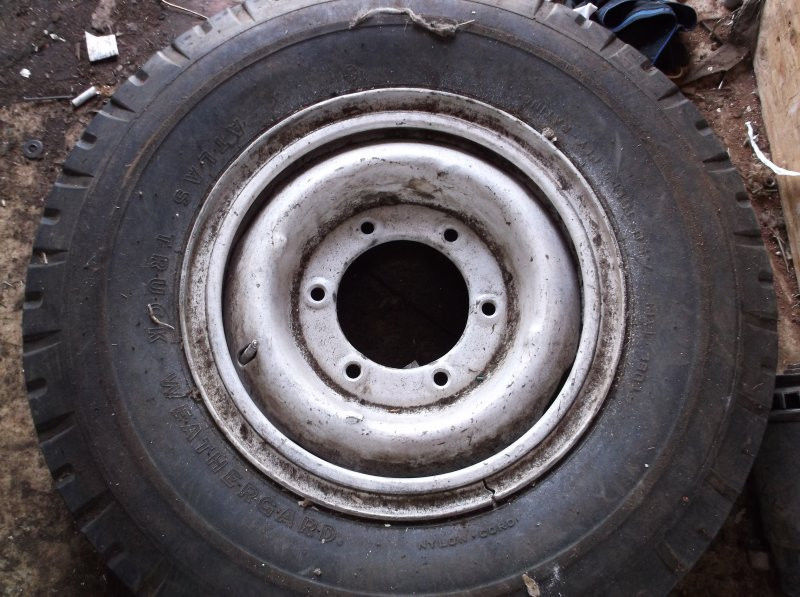
* **The “Big 6″ Standard:** If you are working on a 3/4-ton vintage International Harvester (such as an R-120, S-120, S-122, A-120, or 1200 series Travelette/Pickup), you won’t be running standard 6×5.5” wheels. These heavy-duty IH trucks used the distinct **6 on 7.25″** (6×184.15mm) bolt pattern.
* **Sourcing Challenges:** Known for massive center hub bores and often originally paired with two-piece split-rim wheels, “Big 6” replacement rims are famously difficult to source in modern tubeless configurations. Finding clean original cores or custom-built tubeless replacements requires exact hub and bolt circle verification.
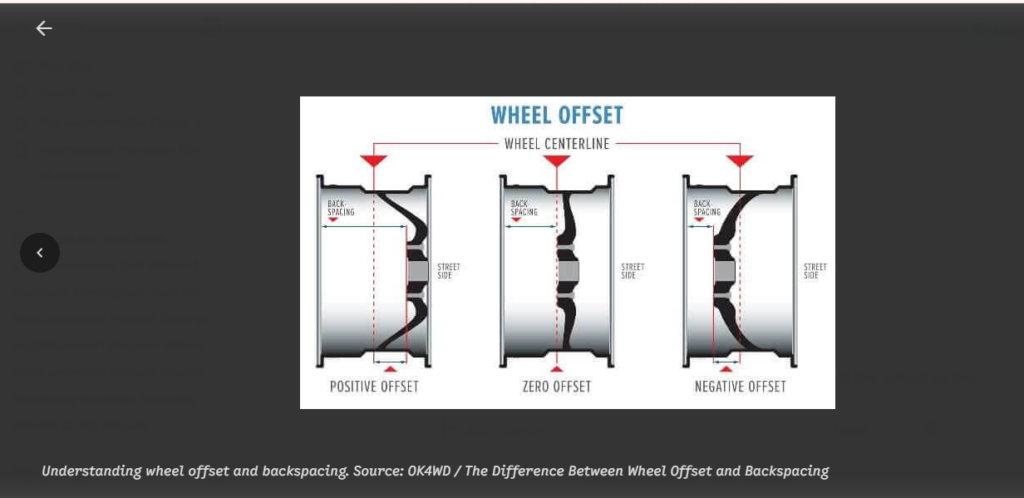
Even if the bolt pattern matches, improper wheel clearance can lead to tire rub against control arms, leaf springs, or fender lips.
| Term | What It Measures | Why It Matters |
| Backspacing | Distance from the rear mounting face of the wheel to the inside lip edge. | Essential for ensuring internal clearance around suspension and brake components. |
| Offset | Distance from the wheel’s centerline to its mounting face (positive, zero, or negative). | Determines how deep or flush the wheel sits inside the fender well. |
| Center Bore | Diameter of the center hole on the back of the wheel. | Must be large enough to clear your hub snout, axle flange, or 4WD locking hub. |
Tech Tip: Classic 4WD trucks (like Chevy K10s or IHC S-Series) require wheels with a large center bore to clear the front locking hubs. Standard passenger car rims or modern high-offset wheels will hit the hub center.
Finding period-correct factory steel wheels or original equipment aluminum rims keeps your build looking authentic while maintaining factory safety standards.
You must be logged in to post a comment.
