There is an absolute thrill to walking into a classic salvage yard. Spotting that exact donor vehicle you have been hunting for gives you an immediate rush of adrenaline. But the moment you walk up to a car or truck that has been baking in the sun and sinking into the dirt for forty years, reality sets in. That rare part you need is currently fused to the vehicle by decades of rust, road grime, and corrosion.
If you show up unprepared, you are going to end up with stripped fasteners, broken knuckles, and a ruined afternoon. Pulling parts from classic iron requires a completely different mindset than working in a clean, modern garage. To get your prize out safely without losing your mind, you need the right foundational gear, the right chemistry, and a healthy dose of patience.
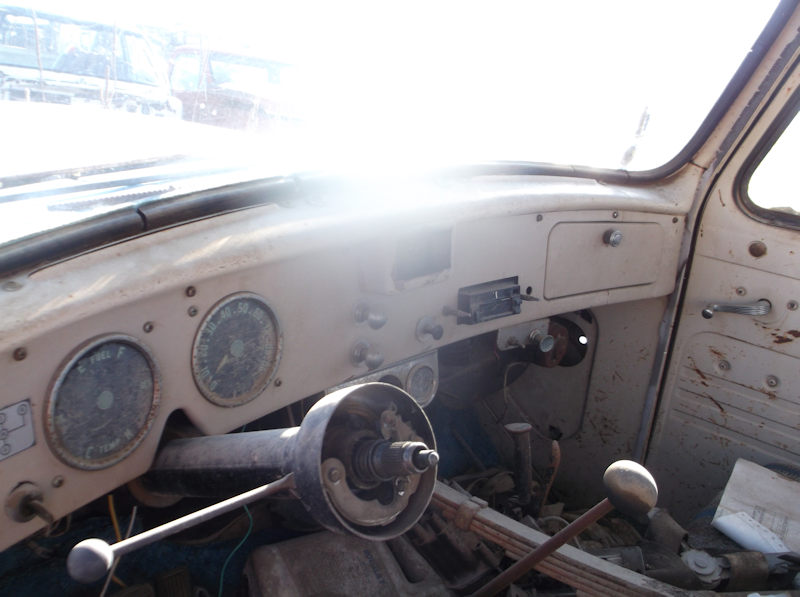
When you are prepping for a day in the dirt, it is easy to get distracted by fancy specialty gadgets. Amateurs often overcomplicate their packs with tools they will never use, while forgetting the bedrock basics. Before you even think about loading up anything else, your bag needs a comprehensive, high-quality set of common wrenches and screwdrivers.
For classic American vehicles, you will be leaning heavily on your standard SAE combination wrenches. Make sure you have both the open-end and box-end options, as you will often need to hold a backing nut with one while turning the bolt with the other. For your screwdrivers, do not just throw in one random multi-tool. Bring a dedicated variety of both flathead and Phillips head options. You will need long shafts to reach deep into dashboard assemblies, and stubby versions to clear tight interior spaces. If you do not have these foundational items squared away, you are stranded before you even start.
While hand tools do the precise work, modern cordless power tools are absolute game-changers for saving your energy and cutting your time in the yard in half. If you want to pull parts like a professional, your bag needs a dedicated power section.
Once you have your tools ready, you need to accept a universal truth about classic yards: pure muscle will fail you. If you attempt to force a completely dry, rusted-solid OEM fastener with a standard wrench, you are either going to strip the head or snap the bolt right off. This is where your secret weapon comes into play.
Never step foot into a salvage yard without a fresh can of PB Blaster. This specific penetrating fluid is a lifesaver because it is chemically designed to cut through heavy corrosion. The moment you locate your target vehicle, your very first step should be walking around it and spraying every single bolt, nut, and screw you intend to touch. Do not wait until you are already struggling with a stuck fastener to apply it. Spray everything down immediately, then take a breather, prep your tool bag, and let the chemistry do the heavy lifting for fifteen minutes.
A classic salvage yard is not a pristine mechanic shop with flat concrete floors. It is an unpaved, unpredictable environment. You will be trekking across uneven dirt, loose gravel, tall weeds, and areas littered with hidden hazards like jagged sheet metal and broken glass. Hauling your gear across this terrain requires serious preparation.
Leave the rolling plastic toolboxes at home, as their small wheels will immediately sink into the mud and sand. Instead, invest in a heavy-duty, durable canvas tool bag with a comfortable, thick shoulder strap. A good bag holds your tools securely while keeping your hands free to navigate around junked cars. Equally important is what you wear on your feet. A good pair of boots is non-negotiable safety equipment. You need thick, puncture-resistant soles to protect against rusty nails, alongside solid ankle support to keep you from twisting an ankle on a hidden pothole.
Some parts on classic trucks and cars are notoriously stubborn, and fender bolts sit right at the top of that list. Because of where they are positioned on the vehicle, they spend their entire lives collecting moisture, road salt, and mud. By the time you find them in a yard, they usually look like solid lumps of rust.
When you encounter these high-stress areas, the absolute best tool you can bring is your own patience. Amateurs get frustrated, yank as hard as they can, and end up spinning the hidden clip nut or warping the beautiful, rare sheet metal they came to save. Dealing with classic body panels requires a strategy of good persuasion. Tap the bolt head gently with a tool to shock the rust threads, apply your penetrating fluid, and use steady, deliberate pressure. If it resists, back it off a quarter turn, spray it again, and work it back and forth. Patience saves parts.
From the perspective of a yard operator, nothing is worse than watching someone ruin a classic vehicle out of pure laziness. The single biggest sin committed in salvage yards is destructive pulling. This means cutting holes in perfectly good, rare body panels or floor pans just to get a minor bracket or wire out quickly.
When you hack up a clean, straight fender with your Sawzall just to speed up your own removal process, you are destroying history and robbing the next collector of a part they might desperately need. Power tools should be used to cut away the trash, never the treasure. The golden rule of the salvage yard is simple: leave it like you would want to find it. Take the extra five minutes to unbolt components cleanly. If you have to remove a good part to access your target, take it apart properly and leave the surrounding metal intact. Respecting the iron keeps the yard sustainable, keeps the operators happy, and ensures that these classic vehicles can continue to keep other projects alive on the road.
You must be logged in to post a comment.
